
21B
Specialty IPA
IPAColour varies by recipe
ABV3.0–5.0% (session); 5.0–7.5% (standard); 7.5–10.0% (double)
IBUVaries with the base style
SRMVaries with the base style
21A
A decidedly hoppy and bitter, moderately strong, pale American ale. The balance is hop-forward, with a clean fermentation profile, dryish finish, and clean, supporting malt allowing a creative range of hop character to shine through.
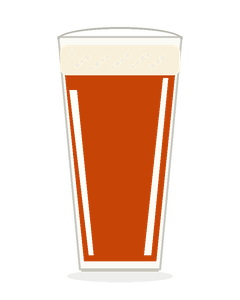 6–14 SRM
Alcohol · ABV
5.5–7.5%Bitterness · IBU
40–70Color · SRM
6–14Original gravity · OG
1.056–1.070Final gravity · FG
1.008–1.014Ranges describe a style, not an individual beer. Color is an approximation. Light and glassware change its appearance.
Color ranging from medium gold to light reddish-amber. Clear, but light haze allowable. Medium-sized, white to off-white head with good persistence.
A prominent to intense hop aroma often featuring American or New World hop characteristics, such as citrus, floral, pine, resin, spice, tropical fruit, stone fruit, berry, or melon. Low to medium-low clean, grainy maltiness supports the hop presentation. Generally clean fermentation profile, but light fruitiness acceptable. Restrained alcohol optional.
Medium to very high hop flavor (same descriptors as aroma). Low to medium-low clean and grainy maltiness, possibly with light caramel and toast flavors. Medium-high to very high bitterness. Dry to medium-dry finish. Hoppy, bitter aftertaste with supportive malt. Low esters optional. Background clean alcohol flavor optional.
Medium-light to medium body, with a smooth texture. Medium to medium-high carbonation. No harshness. Very light, smooth warmth optional.
The first modern American craft beer adaptation of this traditional English style is generally believed to be Anchor Liberty Ale, first brewed in 1975 and using whole Cascade hops; the style has evolved beyond that original beer, which now tastes more like an American Pale Ale in comparison. American-made IPAs from earlier eras were not unknown (particularly the well-regarded Ballantine’s IPA, an oak-aged beer using an old English recipe). This style is based on the modern craft beer examples.
Pale base malt. American or English yeast with a clean or slightly fruity profile. Generally all-malt, but sugar additions are acceptable. Restrained use of crystal malts. Often uses American or New World hops but any varieties are acceptable; new hop varieties continue to be released and may be used even if they do not have the sensory profiles listed as examples.
Stronger and more highly hopped than American Pale Ale. Compared to English IPA, has less caramel, bread, and toast; often more American or New World hops; fewer yeast-derived esters; less body and often a more hoppy balance; and is slightly stronger than most examples. Less alcohol than a Double IPA, but with a similar balance.
Colour varies by recipe
Notes
The basis for many modern variations, including the stronger Double IPA as well as IPAs with various other ingredients. Many such variations are covered under Specialty IPA. An India Pale Lager (IPL) may resemble American IPA in character; versions that differ substantially are covered under Mixed-Style Beer. Noticeable oak character falls outside this style and is covered under Wood-Aged Beer. Dry, sharply bitter, clear examples are sometimes known as West Coast IPA, which is really just a type of American IPA.