
13A
Dark Mild
Brown British BeerABV3–3.8%
IBU10–25
SRM14–25
13B
A malty, caramelly, brown British ale without the roasted flavors of a Porter. Balanced and flavorful, but usually a little stronger than most average UK beers.
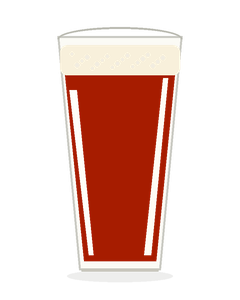 12–22 SRM
Alcohol · ABV
4.2–5.9%Bitterness · IBU
20–30Color · SRM
12–22Original gravity · OG
1.040–1.052Final gravity · FG
1.008–1.013Ranges describe a style, not an individual beer. Color is an approximation. Light and glassware change its appearance.
Dark amber to dark reddish-brown color. Clear. Low to moderate off-white to light tan head.
Light, sweet malt aroma with toffee, nutty, or light chocolate notes, and a light to heavy caramel quality. A light but appealing floral or earthy hop aroma may also be noticed. A light fruity aroma may be evident, but should not dominate.
Gentle to moderate malt sweetness, with a light to heavy caramel character, and a medium to dry finish. Malt may also have a nutty, toasted, biscuity, toffee, or light chocolate character. Medium to medium-low bitterness. Malt-hop balance ranges from even to malt-focused. Low floral or earthy hop flavor optional. Low to moderate fruity esters optional.
Medium-light to medium body. Medium to medium-high carbonation.
Brown ale has a long history in Great Britain, although different products used that name at various times. Modern brown ale is a 20th century creation; it is not the same as historical products with the same name. A wide range of gravities were brewed, but modern brown ales are generally of the stronger (by current UK standards) interpretation. This style is based on the modern stronger British brown ales, not historical versions or the sweeter London Brown Ale described in the Historical Beer category. Predominantly but not exclusively a bottled product currently.
British mild ale or pale ale malt base with caramel malts. May also have small amounts darker malts (e.g., chocolate) to provide color and the nutty character. English hop varieties are most authentic.
More malty balance than British Bitters, with more malt flavors from darker grains. Stronger than a Dark Mild. Less roast than an English Porter. Stronger and much less sweet than London Brown Ale.
Notes
A wide-ranging category with different interpretations possible, ranging from lighter-colored to hoppy to deeper, darker, and caramel-focused; however, none of the versions have strongly roasted flavors. A stronger Double Brown Ale was more popular in the past, but is very hard to find now. While London Brown Ales are marketed using the name Brown Ale, they are described separately because of their different balance (especially sweetness) and alcohol strength; that doesn’t mean that they aren’t in the same family, though.