
26B
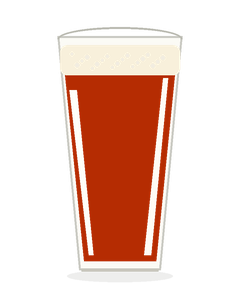
Belgian Dubbel
Monastic AleABV6–7.6%
IBU15–25
SRM10–17
26A
A blond, bitter, hoppy table beer that is very dry and highly carbonated. The aggressive fruity-spicy Belgian yeast character and high bitterness is forward in the balance, with a soft, supportive grainy-sweet malt palate, and a spicy-floral hop profile.
 3–5 SRM
Alcohol · ABV
4.8–6%Bitterness · IBU
25–45Color · SRM
3–5Original gravity · OG
1.044–1.054Final gravity · FG
1.004–1.010Ranges describe a style, not an individual beer. Color is an approximation. Light and glassware change its appearance.
Pale yellow to medium gold color. Generally good clarity, with a moderate-sized, persistent, billowy white head with characteristic lacing.
Medium-low to medium-high Belgian yeast character, showing a fruity-spicy character along with medium-low to medium spicy or floral hops, rarely enhanced by light herbal or citrusy spice additions. Low to medium-low malt backdrop, with bready, crackery, grainy, or light honey notes. Fruit expression can vary widely (apple, pear, grapefruit, lemon, orange, peach, apricot). Phenols are typically like black pepper or clove. Bubblegum inappropriate.
Initial malty flavor is light and has a honeyed biscuit, bready, or cracker character. Grainy but soft malt palate, and a crisp, dry, hoppy-bitter finish. Moderate spicy or floral hop flavor on the palate. Moderate esters similar in character to aroma. Light to moderate spicy phenols as found in the aroma. Medium to high bitterness, accentuated by dryness. The yeast and hop character lasts into the aftertaste.
Medium-light to medium body. Smooth. Medium-high to high carbonation, can be somewhat prickly. Should not have noticeable alcohol warmth.
While monastic breweries have a tradition of brewing a lower-strength beer as a monk’s daily ration (Westmalle began making theirs in 1922), the bitter, pale beer this style describes is a relatively modern invention reflecting current tastes. Westvleteren first brewed theirs in 1999, but it replaced older lower-gravity products.
Pilsner malt. Belgian yeast. Continental hops.
Like a top-fermented Belgian interpretation of a German Pils – pale, hoppy, and well-attenuated, but with a strong Belgian yeast character. Has less sweetness, higher attenuation, less character malt, and is more hop-centered than a Belgian Pale Ale. More like a much smaller, more highly-hopped Belgian Tripel (with its bitterness and dryness) than a smaller Belgian Blond Ale.

Notes
Often not labeled or available outside the monastery, or infrequently brewed. Might also be called monk’s beer, Brother’s beer, or simply a Blond (a name that can be confused with the very different Belgian Blond Ale style). Highly attenuated, generally 85% or more.