
29B
Fruit and Spice Beer
Fruit BeerColour varies by recipe
ABVVaries with the base style
IBUVaries with the base style
SRMVaries with the base style
29A
A pleasant integration of fruit with beer, but still recognizable as beer. The fruit character should be evident but in balance with the beer, not so forward as to suggest an artificial product.
 Colour varies by recipe
Alcohol · ABV
Varies with the base styleBitterness · IBU
Varies with the base styleColor · SRM
Varies with the base styleOriginal gravity · OG
Varies with the base styleFinal gravity · FG
Varies with the base styleRanges describe a style, not an individual beer. Colour depends on the base beer and ingredients. The transparent glass outline does not depict a fixed beer colour.
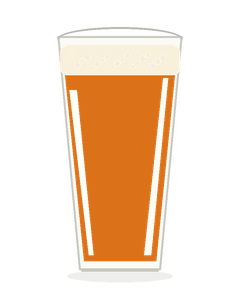
Varies by base style and special ingredients. Lighter-colored beer should show distinctive ingredient colors, including in the head. The color of fruit in beer is often lighter than the flesh of the fruit itself and may take on slightly different shades. Variable clarity, although haze is generally undesirable. Some ingredients may impact head retention.
Varies by base style. The fruit character should be noticeable in the aroma; however, some fruit (e.g., raspberries, cherries) have stronger aromas and are more distinctive than others (e.g., blueberries, strawberries) – allow for a range of fruit character and intensities from subtle to aggressive. Hop aroma may be lower than in the base style to better show the fruit character. The fruit should add an extra complexity, but not be so prominent as to unbalance the resulting presentation.
Varies by base style. As with aroma, distinctive fruit flavors should be noticeable, and may range in intensity from subtle to aggressive, but the fruit character should not be so artificial or inappropriately overpowering as to suggest a ‘fruit juice drink.’ Bitterness, hop and malt flavors, alcohol content, and fermentation byproducts, such as esters, should be appropriate for the base style, but be harmonious and balanced with the distinctive fruit flavors present. Fruit generally adds flavor not sweetness, since fruit sugars usually fully ferment, thus lightening the flavor and drying out the finish. However, residual sweetness is not necessarily a negative characteristic unless it has a raw, unfermented quality. Some fruit may add sourness, bitterness, and tannins, which must be balanced in the resulting flavor profile.
Varies by base style. Fruit often decreases body, and makes the beer seem lighter on the palate. Some smaller and darker fruits may add a tannic depth, but this astringency should not overwhelm the base beer.
Colour varies by recipe
Colour varies by recipe
Notes
The overall character matters more than whether every individual ingredient can be identified. Balance, drinkability, and execution of the theme are the most important qualities. The fruit should complement the original style and not overwhelm it. Base style attributes will be different after the addition of fruit; do not expect the beer to taste identical to the unadulterated base style. Fruit Beer usually uses a recognized base style; Fruit Lambic has its own description. Fruited sour or mixed fermentation beers without a Classic Style base are covered under Wild Specialty Beer. Fruited versions of sour Classic Style beers (e.g., Flanders Red, Oud Bruin, Gose, Berliner Weisse) are covered under Fruit Beer. Fruit-based versions of Classic Styles where spices are an inherent part of the Classic Style’s definition (e.g., Witbier, Gose) do not count as a Spice Beer in this classification.